


One of London’s well-known contemporary art galleries is White Cube Bermondsey, which provides visitors with inspiring exhibitions in spacious and thoughtfully designed spaces. Located on Bermondsey Street, in South-East London, this gallery is visited by art lovers, tourists, students, designers and photographers in search of a meaningful cultural experience. Not like many museums, whose collections do not change during the year, the program at White Cube Bermondsey is updated regularly. Thus, visitors are able to enjoy paintings, sculptures, photographs and even installations, while enjoying the architecture of the gallery itself and the neighborhood. Being free of charge and easily accessible from such places as London Bridge, Borough Market and the River Thames, the gallery is a good choice for everyone interested in visiting modern art galleries in London.
What Is the White Cube Gallery in Bermondsey?
The Bermondsey gallery is a major contemporary art space at 144–152 Bermondsey Street, London SE1 3TQ. It forms part of the international White Cube gallery network and presents temporary exhibitions by established and influential contemporary artists. Rather than displaying a permanent historical collection, the gallery changes its programme throughout the year. Visitors may therefore encounter painting, sculpture, photography, conceptual art, mixed media or large installations depending on when they arrive. This changing programme is one of the strongest reasons people return, because a second visit several months later can feel like entering an entirely new cultural space.
Its large scale also distinguishes it from many smaller commercial galleries in London. Contemporary art often depends on physical presence, particularly when artists work with oversized paintings, monumental sculpture or room-sized installations. A digital image cannot fully communicate the height of a sculpture, the texture of a painted surface or the distance needed to appreciate a huge canvas. Inside the gallery, visitors can move around works and understand how they interact with light, space and architecture. This makes the experience especially useful for people who want to understand contemporary art beyond what they see on Instagram, gallery websites or online exhibition photographs.
The neighbourhood adds further value. Bermondsey Street combines restaurants, cafés, independent businesses and cultural venues with a more local atmosphere than heavily visited parts of the West End. This makes the gallery easy to include in a half-day itinerary. Visitors can view an exhibition, stop for lunch and then continue towards Borough Market, London Bridge or the riverside without crossing the whole city. For tourists who want a cultural activity that does not consume an entire day, the location is particularly practical.
Architecture, Gallery Design and White Cube Space
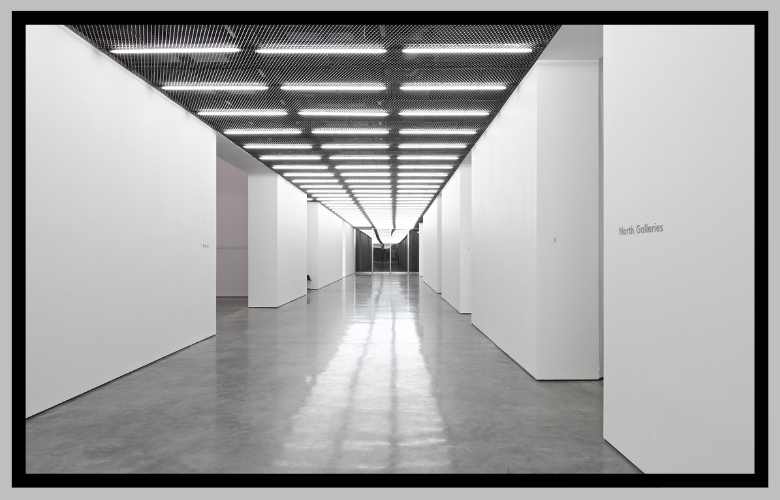
The building was transformed from a large 1970s warehouse by Casper Mueller Kneer Architects. The conversion created thousands of square metres of exhibition space while retaining the generous proportions associated with the original industrial structure. Instead of filling the interior with decorative features, the architects created a restrained environment where artwork remains the main focus. Exhibition rooms vary in size and character, giving curators flexibility when presenting everything from small works on paper to large sculpture and ambitious installations.
A long central circulation route connects different areas of the gallery and creates a natural progression through the building. Visitors do not necessarily see every artwork from the entrance. Instead, each room gradually reveals a different environment, allowing exhibitions to control pace and expectation. Large spaces provide enough distance for monumental work, while smaller areas can create a more concentrated atmosphere. Ceiling height, lighting and the amount of empty space around an artwork all influence how visitors experience it, even before they read any accompanying information.
The phrase “white cube space” describes a wider approach used in contemporary gallery design. White walls, neutral surfaces, controlled lighting and minimal decoration reduce distractions and direct attention towards the artwork. Some visitors initially find this style too empty, but the simplicity is intentional. Negative space gives paintings room to breathe and allows sculpture to be viewed from several positions without visual interference. Designers, architects and photographers can therefore study the gallery itself as well as the exhibitions, because it demonstrates how scale, proportion, light and visual hierarchy can influence attention.
Opening Times, Free Entry and Visitor Information
The current opening schedule makes the Bermondsey location relatively easy to include in a London day out. It normally opens from 10:00 am to 6:00 pm from Tuesday to Saturday and from 12:00 noon to 6:00 pm on Sunday. Monday is the regular closed day. This is useful to know because searches such as “White Cube Bermondsey closed” may simply reflect the normal Monday closure rather than a permanent shutdown. The gallery continues to operate and host exhibitions, so visitors should check the specific day and current programme before travelling.
General admission is currently free. This is one of the venue’s biggest practical advantages, especially in London where paid attractions can quickly make a day expensive. Visitors do not need to be collectors, buyers or art professionals to enter. Commercial galleries are open to members of the public who simply want to view an exhibition. Free entry also removes pressure to remain inside for several hours just to justify a ticket price. You can spend as much time as the exhibition deserves and then continue exploring the surrounding area.
For most visitors, around one to two hours is enough. Serious art enthusiasts may stay longer, while someone making a quick cultural stop could spend less time. Before visiting, remember these key points:
- Address: 144–152 Bermondsey Street, London SE1 3TQ
- Tuesday to Saturday: 10:00 am–6:00 pm
- Sunday: 12:00 noon–6:00 pm
- Monday: Closed
- General admission: Free under current visitor arrangements
- Typical visit length: Around one to two hours
- Best preparation: Check the current exhibition before travelling
Weekday visits can feel quieter and provide more space to stand back from large paintings or move around sculptures without interruption. Photography rules may depend on individual exhibitions, so visitors should always follow current signage and staff guidance.
What’s On and How to Enjoy the Exhibitions
The exhibition programme changes regularly, making “White Cube Bermondsey whats on” one of the most useful searches before planning a trip. Temporary exhibitions are central to the gallery’s identity. One month might focus on expressive painting, while another could feature conceptual sculpture or installation. Because the content changes, older photos and reviews may not accurately represent what you will see during your own visit. Checking the artist and exhibition dates beforehand helps set realistic expectations.
You do not need specialist art knowledge to enjoy the gallery. One of the simplest ways to approach contemporary art is to look before reading. Notice the scale, colour, materials, texture and overall emotional effect of a work. With large paintings, step closer to examine details and then move backwards to see the complete composition. With sculpture, where permitted, change your viewing position because shape and shadow can look different from each side. After forming an initial reaction, read any available exhibition information to understand the wider context.
This method is particularly valuable for creative professionals. Graphic designers can study contrast and negative space, photographers can observe lighting and surface, architects can examine movement through the building, and art students can analyse professional presentations. The purpose is not to copy the work. Instead, the gallery provides practical examples of how visual choices influence attention and emotion. Physical exhibitions are especially useful because scale and spatial relationships are difficult to understand through small digital screens.
White Cube Locations and Mason’s Yard
White Cube operates internationally, with gallery locations in major cultural cities as well as London. For UK visitors, the most relevant comparison is between the large Bermondsey venue and Mason’s Yard in St James’s. Both spaces belong to the same gallery organisation, but they offer different architectural and neighbourhood experiences. They may also host different exhibitions at the same time, so anyone visiting for a specific artist should always confirm which location is showing the work.
Mason’s Yard is situated close to St James’s, Piccadilly and the wider Mayfair gallery district. It works naturally as part of a central London art itinerary. The Bermondsey space, in contrast, benefits from the scale of a converted warehouse and fits better with London Bridge, Borough Market and Tower Bridge. The difference in architecture means that even exhibitions under the same White Cube name can feel quite different depending on where they are shown.
Visitors interested in several White Cube locations could potentially see both London galleries, but there is little benefit in rushing. Gallery fatigue can reduce attention after several exhibitions, especially when contemporary art requires careful looking. A better approach is to choose the programme that interests you most and give it enough time. Two thoughtfully experienced exhibitions usually provide more value than several galleries visited quickly simply to tick them off a list.
Is It Worth Visiting? Benefits, Pros, Cons and FAQs
The gallery is worth visiting for people interested in contemporary art, architecture, design or a quieter cultural activity away from London’s busiest museums. Its greatest strengths are the scale of the exhibition spaces, changing programme, free admission and convenient location. Tourists can easily combine a visit with Bermondsey Street, Borough Market or a riverside walk, while creative visitors can use the experience as visual research. The main disadvantage is that temporary exhibitions depend heavily on personal taste. Someone who loves classical painting or interactive attractions may find a particular contemporary show less engaging.
Is the gallery free? Yes, general admission is currently free. Is the Bermondsey location permanently closed? No; Monday is its normal weekly closed day. Who designed the gallery? Casper Mueller Kneer Architects transformed the former warehouse into the current exhibition complex. How long should visitors stay? Around one to two hours suits most people. Is it suitable for beginners? Yes. You do not need specialist knowledge to enjoy contemporary art, and observing colour, scale, material and atmosphere is often enough to begin forming your own interpretation.
Overall, the gallery offers a focused and flexible alternative to London’s enormous museums. It gives contemporary artworks enough room to communicate their scale and physical presence, while the changing programme provides reasons to return. The location also makes it easy to combine art with food, neighbourhood exploration and major attractions nearby. It will not suit everyone, particularly visitors looking mainly for historic collections or famous classical masterpieces. However, for anyone interested in modern visual culture, design or ambitious exhibition spaces, the Bermondsey gallery is a strong addition to a London itinerary. Check what is showing before travelling, confirm the opening schedule and allow enough time to look carefully rather than rushing through the rooms.
(FAQs)
Is the Bermondsey gallery free to visit?
Yes. General admission is currently free, making it an accessible cultural attraction for tourists, students, local visitors and contemporary art enthusiasts. Some special programmes may have different arrangements, so checking visitor information before travelling is useful.
What are the gallery opening times?
The gallery normally opens from 10:00 am to 6:00 pm from Tuesday to Saturday and from 12:00 noon to 6:00 pm on Sunday. Monday is the regular closed day.
Is the Bermondsey location permanently closed?
No. The gallery continues to operate and host temporary contemporary art exhibitions. If you see a “closed” status online, it may simply refer to Monday, which is the venue’s normal weekly closing day.
Who designed the Bermondsey gallery?
The former industrial warehouse was transformed into the present gallery complex by Casper Mueller Kneer Architects. The design uses large exhibition rooms, controlled lighting and generous open spaces to support contemporary painting, sculpture and installations.
How long should I spend at the gallery?
Most visitors should allow around one to two hours. Art enthusiasts, students and creative professionals may want longer to study individual artworks, exhibition layouts, materials and architectural details more carefully.
Conclusion
White Cube Bermondsey provides a unique experience of contemporary art for those who appreciate modern artistic expression and carefully designed exhibitions in large galleries. The dynamic programming of the gallery creates a reason to revisit it, while the fact that it is free provides the opportunity to visit it even for travelers, students, and local art lovers. The location of the gallery is also valuable because of proximity to London Bridge, Borough Market and the Thames. While the gallery may not be suitable for travelers seeking classical exhibitions or entertainment venues, it can still provide a great visit for art lovers interested in paintings, sculptures, architecture and contemporary culture.
