


When you’re looking for a versatile and durable material for your next project, you’ve likely come across various types of plastic. One name that frequently appears in the world of fabrication and manufacturing is Polyethylene Terephthalate Glycol (PETG). Whether you’re a DIY enthusiast or a professional builder, understanding the properties of the materials you use is essential for both performance and safety.
PETG has become a popular choice for everything from protective screens to kitchen splashbacks. However, as it’s used so widely, many people wonder about its safety when it comes into contact with food and beverages. If you’re planning to use this material for a project involving consumables, it’s vital to know exactly what you’re working with.
What Is PETG?
Polyethylene Terephthalate Glycol (PETG), is a transparent thermoplastic polyester that offers a fantastic balance of strength and ease of use. It’s essentially a modified version of PET, which is the plastic commonly used to make single-use water bottles. The addition of glycol to the molecular structure prevents the material from crystallising, which makes it much more durable and less brittle than its standard counterpart.
One of the standout features of this material is its incredible impact resistance. It’s much stronger than acrylic and can withstand significant force without cracking or shattering. Because it’s so tough,clear PETG plastic sheets are often used in demanding environments like retail displays, machine guards, and even medical packaging. It’s also very easy to fabricate, as you can cut, drill, and bend it without worrying about the material failing under pressure.
For those looking for reliable building materials, PETG offers a clear, glass-like appearance but with far superior safety credentials. It’s also resistant to a variety of chemicals and won’t degrade easily when exposed to cleaning agents. This makes it a practical choice for high-traffic areas where hygiene and durability are the top priorities.
Is It Safe to Drink From a PETG Water Bottle?
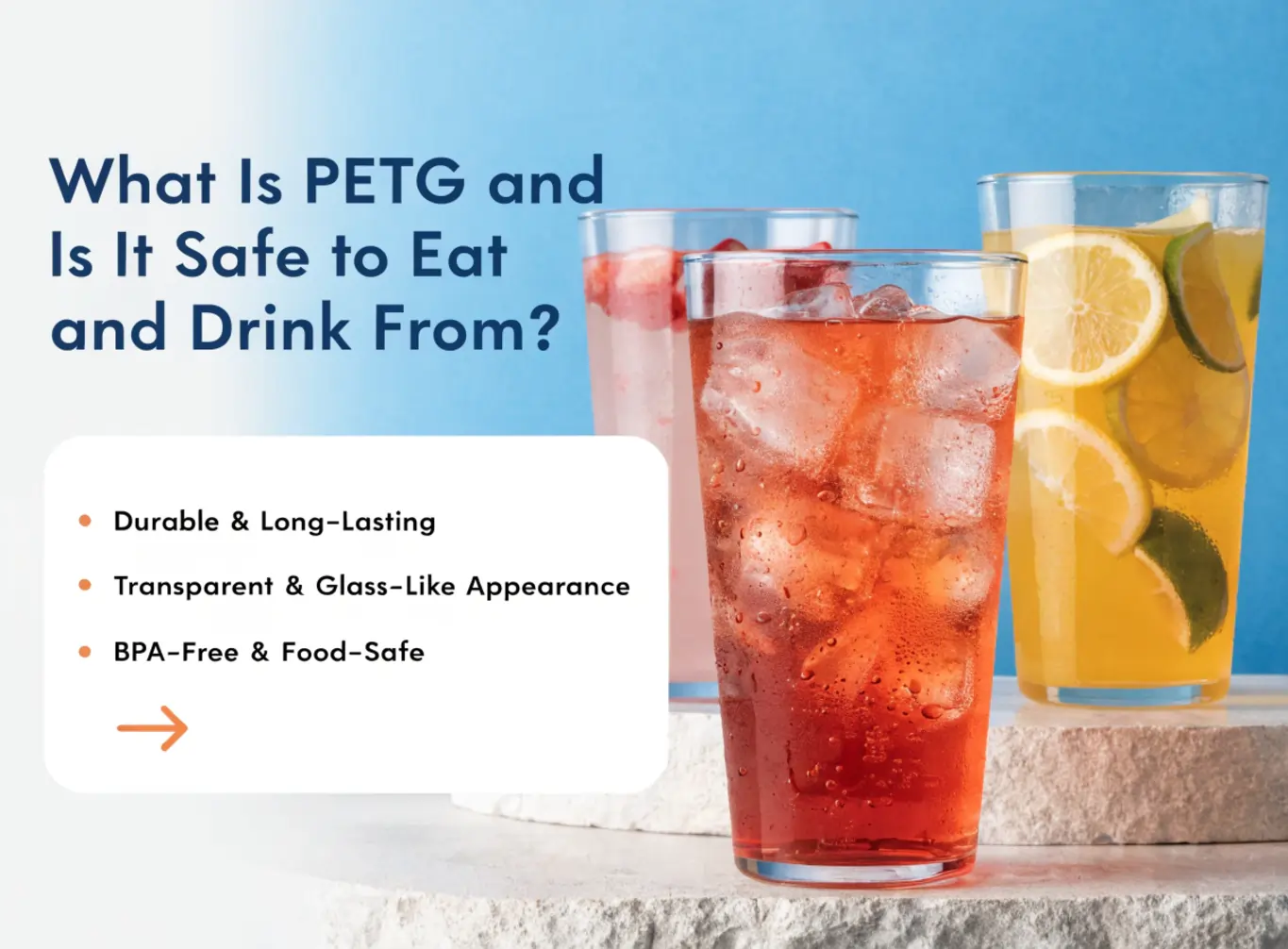
Safety is a primary concern when choosing materials for food and drink storage. You’ll be pleased to know that PETG is generally considered food-safe. It’s a BPA-free material, meaning it doesn’t contain Bisphenol A, a chemical often found in other plastics that has raised health concerns over the years. This makes it a preferred choice for reusable water bottles and food containers.
When you use a bottle made from this plastic, you don’t have to worry about harmful chemicals leaching into your drink. It’s also worth noting that PETG is approved by various food safety authorities for contact with consumables. Because it’s non-toxic and doesn’t impart any flavours or odours to the liquid inside, it’s an excellent option for maintaining the purity of your water or juice.
PETG for Food Storage and Preparation
Beyond just water bottles, this material is frequently used in the food industry for various storage and preparation tasks. Its high transparency allows you to see the contents clearly, which is perfect for kitchen canisters or commercial food bins. Since it’s so impact-resistant, it’s also great for items that might be dropped or bumped in a busy kitchen environment.
There are several benefits to using PETG in food-related applications:
- Chemical Resistance: It won’t react with acidic foods like tomatoes or citrus.
- Toughness: It’s less likely to chip or break compared to glass or standard polystyrene.
- Recyclability: It’s a recyclable material, which helps those looking to reduce their environmental impact.
- Thermoforming: It can be easily moulded into custom shapes for specific kitchen gadgets or trays.
While it’s very resilient, you shouldn’t use PETG in the microwave or dishwasher unless the specific product is labelled as safe for those heat levels. Extreme heat can cause the plastic to soften or warp, which might ruin the shape of your container.
The Verdict
PETG is a highly versatile and safe material for a wide range of uses, including those involving food and drink. Its combination of clarity, strength, and chemical resistance makes it a superior choice for both domestic and industrial projects. Since it’s BPA-free and food-grade, you can feel confident using it for your water bottles or kitchen storage solutions.
Whether you’re embarking on a home improvement task or looking for durable commercial materials, this plastic provides a reliable solution that’s built to last.
