


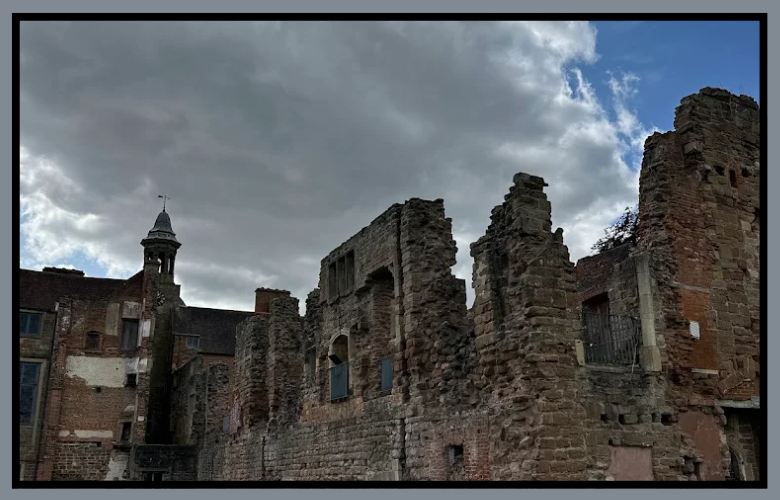
Rufford Abbey is an exciting venue in Nottinghamshire which combines history, nature and fun for families into one single place. Rufford lies in proximity to Ollerton and Sherwood Forest and includes ruins from the medieval times, gardens, forest trails, lawns and a beautiful lake. It allows visitors to explore some historical buildings, go on walks, take photos, have a picnic and entertain their kids at a designated playground. This place would be suitable for a family with kids, a couple, a walker, a photographer or a dog owner who wants to enjoy a pleasant day out. Admission to Rufford is generally free, while parking and other services may be charged additionally.
History and Character of the Country Park
The history of the site began in 1146 when a Cistercian monastery was established in rural Nottinghamshire. Monks arrived from Rievaulx and developed a religious community based on prayer, discipline, physical work and simple living. The main buildings included a church, cloisters, kitchens, sleeping areas, storage rooms and working spaces. Lay brothers managed farming, construction and other practical duties required to support daily monastic life. The surrounding estate also included agricultural land, water systems and buildings used for food production. Although much of the original complex has disappeared, the surviving structures still reveal how large and organised the medieval community once was. Understanding this background helps visitors appreciate the ruins as more than an attractive collection of old walls.
The monastery remained active until the Dissolution of the Monasteries during the reign of Henry VIII. After its closure in the 16th century, the estate moved into private ownership and parts of the medieval complex became a country residence. Later owners adapted existing rooms, added domestic spaces and changed the building over several generations. This created the unusual mixture of medieval stonework and later residential architecture visible today. Some sections survived because they remained useful, while others were demolished or included within newer structures. Much of the later country house was removed during the 20th century, leaving the present combination of ruins and surviving accommodation. The building therefore represents several periods of English religious, social and architectural history rather than one unchanged design.
The former west range is among the most important surviving medieval sections. It was originally connected with the lay brothers who performed much of the practical work needed by the monastery. Visitors can still see vaulted spaces, stone columns, old entrances, windows and evidence of rooms that once existed above. Other buildings survive mainly through low walls, foundations and archaeological remains that require some imagination. Looking carefully at the layout helps visitors understand where people may have eaten, worked, slept and stored supplies. Interpretation around the grounds can make these features easier to recognise. The historical value comes from seeing how religious buildings were reused and altered after their original purpose ended.
Best Attractions, Walks and Things to Do
The surviving ruins are the natural starting point for a first visit. Walking around the building slowly reveals different materials, windows, entrances and architectural changes on every side. A distant view from the lawn provides a clearer impression of the structure’s scale and relationship with the surrounding landscape. Closer observation reveals weathered stone, decorative details and evidence of rooms added during the country-house period. Nearby gardens and courtyards create an attractive transition between the historic building and the wider natural environment. Visitors interested in architecture should compare the medieval sections with later domestic additions. Spending at least 30 to 45 minutes around the historic centre creates a more meaningful experience than taking one photograph and quickly moving on.
Beyond the ruins, visitors can explore the lake, woodland, gardens and open parkland. The lake provides peaceful views, reflections and opportunities to observe waterbirds, while the woodland offers shade during warmer weather. Shorter paths are available near the central facilities, and longer routes continue towards the mill area. The managed gardens provide a gentler alternative for people who do not want to walk across rough natural surfaces. Open lawns are suitable for resting, picnicking and allowing children to enjoy more space. Seasonal attractions may operate during weekends, school holidays or special events. The variety allows people with different interests and energy levels to enjoy the destination together without following one fixed itinerary.
The main activities to include during a visit are:
- Explore the surviving medieval rooms and courtyard areas
- Walk beside the lake and look for common waterbirds
- Follow a woodland path towards the quieter mill section
- Visit the gardens and observe seasonal plants and flowers
- Use the children’s adventure playground and family facilities
- Photograph the ruins, trees, gardens and lake reflections
- Bring a picnic and relax on a suitable open lawn
- Check for boating, adventure golf or seasonal activity trails
- Read the information displays around the historic remains
- Stop for coffee, lunch, snacks or ice cream during the day
Tickets, Parking and Practical Visitor Planning
People searching for tickets should understand that general access to the park and external ruins is normally free. Visitors do not usually need to purchase a standard admission ticket simply to explore the grounds, gardens and historic remains. However, charges may apply to parking, seasonal trails, adventure activities, organised experiences and special events. Some attractions may allow payment on arrival, while popular experiences can require advance booking. Availability, prices and operating arrangements may also change throughout the year. Families can create an affordable visit by bringing a picnic and concentrating on the free areas. Visitors planning several paid activities should calculate parking, food and event costs together before deciding on their overall budget.
Parking is one of the main costs for people arriving by car. The attraction has parking areas serving the main historic site and the mill side of the grounds. The main car park is generally more convenient for access to the ruins, gardens, family facilities and central refreshments. Parking closer to the mill may suit visitors mainly interested in the lake, woodland and quieter walking routes. Drivers should enter the correct number plate when using the payment system because registration errors can create unnecessary problems. Arriving early is sensible on sunny weekends, school holidays and bank holidays. Staying for at least half a day usually provides better value than paying for parking and leaving after a brief stop.
Opening times can differ between the grounds, car parks, cafés, shops and activity providers. The park may remain accessible even when a particular food outlet or attraction is closed. Weather, staffing, private events and seasonal demand may also affect the availability of facilities. Visitors should therefore confirm important arrangements when their plans depend on one particular activity. Comfortable footwear is useful because the site includes paved paths, historic surfaces and natural woodland tracks. Bringing water and suitable clothing makes longer outdoor visits more comfortable. A simple itinerary covering the ruins, one walking route, food and a family activity is usually more enjoyable than trying to complete every available attraction.
Play Area and Family Day Out
The play area is one of the main reasons the country park appeals to families with younger children. It allows parents to combine heritage and countryside with active outdoor entertainment. Children can enjoy climbing, balancing, sliding and imaginative play instead of spending the entire visit looking at historic buildings. Different parts of the equipment may suit different age groups and confidence levels, so adult supervision remains important. The area can become busy during school holidays, warm weekends and popular event days. Visiting earlier in the morning can provide a calmer experience. It also allows families to explore the ruins before children become fully focused on the playground.
A balanced family itinerary can begin with the historic building and nearby gardens. Parents can keep younger visitors interested by asking them to find arches, doorways, windows and different building materials. Simple discussions about where monks ate, slept or worked can turn the walk into an informal history lesson. Families can then follow a short lakeside route before stopping for lunch or a picnic. The playground can be saved for the afternoon, providing active entertainment after the walking section. Additional activities such as adventure golf, boating or themed trails may be added when available. This order creates a useful balance between learning, exercise, relaxation and unstructured play.
Families using pushchairs should expect a combination of smooth routes, cobbles and uneven natural ground. The main visitor areas are generally manageable, but woodland paths may become muddy after rain. A sturdy pushchair will usually perform better than a lightweight model on rougher sections. Parents should bring water, snacks, spare clothing and waterproof layers, especially when children plan to use outdoor equipment. Toilets and changing facilities are available, but longer walking routes should still be planned around regular breaks. Bringing food from home can help manage allergies, dietary preferences and the cost of the day. A flexible schedule is useful because weather, queues and children’s energy levels can change quickly.
Photography, Wildlife and Seasonal Scenery
People searching for photos of the attraction will find far more than one standard view of the main building. The ruins offer strong architectural shapes, textured walls, old windows and changing patterns of light. Wider photographs from the lawn can show the structure within its parkland setting, while closer images can focus on individual stone details. The lake provides reflections, waterbirds and peaceful landscape views framed by trees. Garden paths, mature woodland and old doorways can also create interesting compositions. Moving beyond the most obvious viewpoint helps photographers capture a stronger sense of the complete estate. Visitors should remain behind barriers and avoid entering restricted areas for the sake of a photograph.
Light and weather can significantly change the appearance of the landscape. Morning usually offers softer lighting and fewer people around the central lawns. Late afternoon may create warmer tones and longer shadows across the old walls. Bright midday sunshine can produce harsh contrast, while overcast weather often preserves more architectural detail. Calm conditions improve reflections on the lake, and light mist can create a quieter atmosphere during autumn or winter. Mobile phones can produce attractive results when the photographer pays attention to framing and composition. Trees, pathways, flowers and doorways can be used in the foreground to add depth. Photographing from different distances also creates a more varied collection of images.
The natural scenery changes clearly throughout the year. Spring brings fresh growth, flowering plants, birdsong and comfortable walking temperatures. Summer provides longer daylight, green woodland and good picnic conditions, although the park may become busier. Autumn is especially popular with photographers because colourful trees surround the lake and historic buildings. Winter creates a quieter atmosphere, with bare branches revealing architectural and landscape features that summer foliage can hide. Rain can make paths muddy, but wet stone and leaves often develop richer textures. Wildlife around the lake and woodland also changes with the seasons. Returning at different times of year can make the destination feel noticeably different on each visit.
Events, Christmas Market and Café Options
Events take place at different points throughout the year and may include markets, family trails, outdoor performances, heritage activities and seasonal entertainment. These programmes give repeat visitors new reasons to return. Some activities may be included with general park access, while others require separate tickets or advance reservations. Popular experiences can use timed entry to control numbers and reduce congestion. Event organisers may also apply conditions relating to dogs, pushchairs, age limits or accessibility. Outdoor programmes can be affected by poor weather, staffing or maintenance requirements. Checking current arrangements before travelling helps visitors avoid disappointment and choose activities suitable for everyone in their group.
The Christmas market is a popular seasonal attraction for people planning a festive Nottinghamshire day out. Christmas programmes may feature artisan stalls, festive food, decorations, entertainment, themed trails and experiences for children. The exact format can vary from year to year, so details from a previous season may no longer be accurate. Some market areas may be free to enter, while Santa visits, performances or special trails can require separate bookings. Festive weekends may bring heavier traffic, crowded car parks and longer queues around food facilities. Warm clothing and waterproof footwear are important because much of the experience takes place outside. Families should also consider a spending budget covering parking, food, gifts and optional activities.
Visitors looking for a café will usually find several possible refreshment options rather than one single outlet. Depending on the date and season, facilities may include a main café, tea shop, restaurant service, ice cream outlet or temporary catering. Individual businesses can have different opening hours, particularly during quieter months. A warm café stop is useful after a woodland or lakeside walk during cold or wet weather. Bringing a picnic remains a practical option for visitors managing allergies, dietary needs or limited budgets. Many families bring their own lunch and purchase coffee, cake or ice cream separately. Eating before or after the main lunch period can reduce waiting times and create a more relaxed break.
Ownership, Pros, Cons and Final Verdict
A common question is whether the historic attraction is part of English Heritage. The medieval remains are associated with English Heritage, while the wider country park is owned by Nottinghamshire County Council and managed through a separate leisure arrangement. This explains why heritage information and park facilities may appear under different organisations. Visitors should not assume that heritage membership automatically includes parking, refreshments, activities or special event tickets. The partnership allows the medieval structure to receive specialist conservation while the wider grounds remain available for public recreation. It also means visitors should check the terms of individual activities rather than treating the entire destination as one ticketed heritage property.
The strongest advantages are free general entry, important history, attractive scenery and activities suitable for different ages. Families can combine education with play, couples can enjoy peaceful walks and photographers can explore varied architecture and landscapes. The main disadvantages include parking charges, changing weather and additional costs for special experiences. Woodland paths can become muddy after rain, and certain cafés or seasonal attractions may not operate every day. Visitors expecting a fully restored abbey with furnished rooms may also feel disappointed. The main building is a historic ruin rather than a complete indoor museum. Realistic expectations are therefore important when planning the day.
The country park is worth visiting for people who appreciate history, countryside, walking and flexible family activities. Its greatest strength is the ability to shape the visit around personal interests rather than following a fixed tour. Allowing at least three hours gives enough time to explore the ruins, gardens and part of the lake. Families may prefer four to six hours when adding lunch, the playground and seasonal attractions. Comfortable shoes, suitable outdoor clothing and an early arrival can make the experience noticeably better. Although parking, refreshments and optional activities may increase the total cost, the free areas still provide plenty to explore. For a balanced Nottinghamshire day out offering heritage, nature and recreation, it remains a rewarding choice.
Frequently Asked Questions
Is Rufford Abbey free to visit?
General entry to the grounds and medieval ruins is usually free. Visitors may still need to pay for parking, special events and selected seasonal activities.
How long should visitors spend at the country park?
Most visitors need around three hours to explore the ruins, gardens and lakeside paths. Families using the playground may prefer four to six hours.
Is the attraction suitable for children?
Yes, the site offers open lawns, walking routes and an adventure play area. Family trails and seasonal activities may also operate during school holidays.
Can visitors bring dogs into the grounds?
Dogs are welcome in many outdoor areas when kept under responsible control. Owners should use leads near wildlife, cafés, children and busy paths.
Is the site accessible for wheelchairs and pushchairs?
Many central routes are relatively flat and manageable. However, cobbled courtyards, historic floors and woodland tracks may be uneven or muddy.
Conclusion
Rufford Abbey provides an excellent day trip location in Nottinghamshire for travelers who like history, nature, and outdoor leisure. With ruins from medieval times, gardens, a lake, woods, and facilities for families, there is a diverse day trip to have without having to follow a tight schedule. Both families and couples can have fun while engaging in various leisurely activities. Entry into Rufford is normally free, although some activities such as parking and meals might be paid for. It is recommended that one visits the location with appropriate attire and shoes and with a few hours to spare.
