


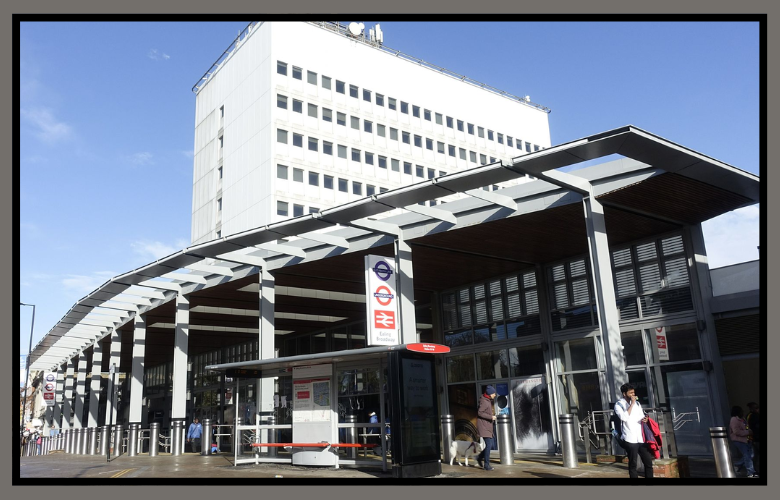
Ealing Broadway Train Station is among the most valuable transport hubs in West London providing access to the city centre, Heathrow Airport and other parts of the Thames Valley to locals, commuters and tourists. Passengers have an opportunity to use the Elizabeth line, the Central line, the District line and certain National Rail services at this transport hub offering different opportunities to travel from a single point. Besides, the location of Ealing Broadway Station in the heart of Ealing provides easy access to shops, eating places, offices, green spaces and accommodation options. The following guide describes the train departure time, lines, postcode, directions, fare zone, contacts, facilities and accessibility at Ealing Broadway Station.
Location, Postcode, Zone and Directions
The railway interchange is located on The Broadway in Ealing, West London, with the postcode W5 2NU. It sits close to the main commercial centre, where passengers can find supermarkets, cafés, restaurants, banks, offices and everyday services. Ealing Broadway Shopping Centre is also within a short walking distance, making the location convenient for passengers who want to combine travelling with shopping or completing daily errands.
People searching for directions should enter the full railway address or W5 2NU into their navigation application. Searching only for “Ealing Broadway” may display the wider town centre or shopping centre instead of the railway entrance. This distinction is particularly important when booking a taxi, arranging passenger collection or planning a walking route from a nearby hotel or residential street.
The interchange is located in London fare Zone 3. Journey prices depend on the destination, time of travel, payment method and number of fare zones crossed. Oyster cards and contactless payments are suitable for most journeys within London. However, passengers travelling farther west should check whether contactless payment is accepted at their final destination.
Train Lines, Elizabeth Line Services and Destinations
The main railway services are the Elizabeth line, Central line and District line. Selected Great Western Railway trains also call at the interchange, depending on the timetable and stopping pattern. This combination gives passengers several ways to reach central London, Heathrow Airport and destinations west of the capital.
The Elizabeth line is often the fastest and most comfortable choice for cross-London travel. Eastbound trains provide direct connections towards Paddington, Bond Street, Tottenham Court Road, Farringdon, Liverpool Street, Whitechapel and Canary Wharf. Some services continue farther east towards destinations on the Abbey Wood or Shenfield branches. These connections reduce the need to change at Paddington and make daily commuting more convenient.
Westbound Elizabeth line trains serve places such as West Ealing, Hanwell, Southall, Hayes and Harlington, Heathrow Airport, West Drayton, Slough, Maidenhead and Reading. Not every train follows the same branch, so passengers must check the final destination before boarding. Some services travel towards Heathrow, while others continue towards Maidenhead or Reading.
The Central line provides direct Underground services towards Notting Hill Gate, Marble Arch, Oxford Circus, Tottenham Court Road, Holborn, Bank and Liverpool Street. The District line begins at Ealing Broadway and travels towards Ealing Common, Turnham Green, Hammersmith, Earl’s Court, South Kensington, Victoria and Westminster.
Train Times and Journey Planning
Train times vary according to the line, destination, day of the week and time of travel. Elizabeth line, Central line and District line trains usually operate frequently during the daytime, while waiting times may increase early in the morning, late in the evening or on Sundays. Great Western Railway trains follow a separate timetable and may call less frequently.
Passengers should check live departure information shortly before travelling. Electronic screens inside the ticket hall and on the platforms show expected departure times, destinations, stopping patterns and service updates. This information is particularly important for westbound Elizabeth line journeys because two trains arriving close together may travel towards different destinations.
Weekend timetables may change because of planned engineering work. Closures can result in reduced services, replacement buses, platform alterations or longer journey times. Travellers going to Heathrow Airport, an important appointment or a long-distance railway connection should check the service status in advance and allow additional time.
Useful journey-planning checks include:
- Check live departure times before leaving home.
- Read the complete destination on the platform screen.
- Confirm that the train stops at the required station.
- Check the correct Heathrow terminal before travelling.
- Review weekend closures and planned engineering work.
- Use the same contactless card or device to enter and leave.
- Confirm lift availability when step-free travel is essential.
- Allow extra time during weekday commuter periods.
- Check the last return train before travelling late.
- Keep tickets or payment cards ready at the barriers.
Published journey times should be treated as estimates rather than guaranteed arrival times. Waiting for a train, walking between platforms and leaving the destination station all contribute to the complete journey. Planning from door to door provides a more realistic idea of how long the trip will take.
Facilities, Tickets, Accessibility and Contact Details
The transport hub provides ticket machines, ticket barriers, passenger help points, electronic departure screens, toilets, accessible toilets and waiting areas. Shops and refreshment options are available in or near the building, while the surrounding town centre offers a wider range of cafés, restaurants and supermarkets.
Step-free access is available to all platforms through lifts and accessible routes. This is particularly useful for wheelchair users, older passengers, parents with pushchairs and people carrying heavy luggage. However, step-free access does not always mean that the train and platform are completely level. Assistance or a boarding ramp may be required on certain services.
Passengers can pay for most London journeys using an Oyster card, contactless bank card or compatible mobile payment device. Paper tickets, digital tickets, Travelcards, season tickets and Railcard discounts may also be available. Contactless users must use the same card or device when touching in and touching out to avoid an incomplete journey charge.
There is no widely advertised direct telephone number for the local ticket office. TfL customer services can be contacted on 0343 222 1234 for Underground, Elizabeth line, fare and accessibility enquiries. National Rail Enquiries can be contacted on 03457 48 49 50 for train timetables, fares and railway service information.
Practical Benefits and Journey to Southall
One of the greatest benefits is the number of direct journeys available. A commuter working near Bond Street can use the Elizabeth line without changing at Paddington. Someone travelling to Liverpool Street or Canary Wharf may also remain on the same train for most or all of the journey. A passenger visiting Oxford Circus may choose the Central line, while someone travelling to Westminster may prefer the District line.
Airport travellers benefit from direct Elizabeth line services towards Heathrow. This can reduce the need for an expensive taxi or an indirect journey through central London. Passengers carrying luggage may find the Elizabeth line more comfortable because its trains generally offer wider doors and more internal space than traditional Underground carriages.
The journey from Ealing Broadway to Southall is normally completed on a direct westbound Elizabeth line train. The usual route passes through West Ealing and Hanwell before reaching Southall. No interchange is generally required, making it a simple option for commuters, shoppers, families and visitors.
Southall is well known for its South Asian restaurants, fashion shops, food businesses, places of worship and busy shopping streets. Passengers returning to Ealing should use an eastbound Elizabeth line service that calls at Ealing Broadway and confirm the stopping pattern before boarding.
Pros, Cons and Is It Worth Using?
The strongest advantage is flexibility. Passengers are not dependent on a single railway line, and several alternative routes are available for journeys across London. The Elizabeth line supports faster travel towards major business districts, while the Central and District lines serve destinations that may not be directly accessible on the newer route.
The town-centre location is another practical benefit. Commuters can purchase groceries, collect food, visit shops or complete other errands before travelling home. Nearby bus connections also make it easier to reach residential neighbourhoods that are not directly served by rail.
The main disadvantages are peak-time crowding, busy lifts and possible confusion about westbound destinations. Central line trains can feel crowded during the morning and evening peaks, while local roads may experience congestion. Weekend engineering work can also affect more than one connected service.
For most passengers, the interchange is worth using. It is particularly suitable for commuters, airport travellers, families, local residents and people travelling towards Southall or the Thames Valley. Most difficulties can be managed by checking live train information, confirming the destination and allowing enough time for important journeys.
Frequently Asked Questions
What is the Ealing Broadway Station postcode?
The official postcode is W5 2NU. Travellers should use the full station name and postcode when searching for directions or arranging a taxi, as the nearby shopping centre has a different address.
Which lines serve the station?
The station is served by the Elizabeth line, Central line and District line. Selected Great Western Railway services also stop here, depending on the timetable and destination.
What fare zone is the station in?
It is located in London fare Zone 3. The final journey cost depends on the destination, time of travel, payment method and number of zones crossed.
How can passengers check train times?
Passengers can check live departure screens inside the station and on the platforms. It is also sensible to review current service information before travelling, especially at weekends or late at night.
Does the Elizabeth line go to Heathrow Airport?
Yes, some westbound Elizabeth line trains travel directly towards Heathrow Airport. Passengers must check the destination because other westbound trains continue towards Maidenhead or Reading.
Conclusion
Generally speaking, this transport interchange in West London is a fantastic one that provides great connections for people who commute, local people, people who use the airport, and visitors. It is due to the fact that the Elizabeth line offers very quick routes to the city center of London, the Heathrow Airport and Thames Valley while the Central and District lines offer alternative routes. Such services as step free access, shopping near the station, great information for passengers, and contactless payment system make traveling easier. The problems include crowding at peak hours, changes in destination westbound trains, and some disruptions on weekends. However, it is possible to deal with them through checking train timings and service updates.
