


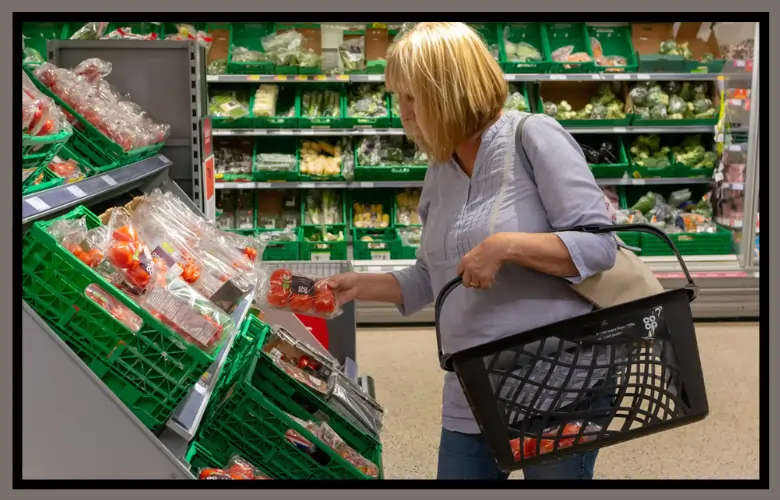
The supermarket industry in the UK is undergoing transformation amid changing circumstances such as increasing prices, increased competition, and consumer behavior trends. The question about the collapse of a supermarket chain in the United Kingdom has received greater attention as consumers seek explanations for problems being faced by major players in the market such as Asda. Changes being made by supermarkets include increased operational costs, reorganizations, and personnel adjustments among others to cope with tough market conditions. This article will cover the financial state of Asda, its recent issues, effect on employees, and the future of the supermarket business in the UK.
Why British Supermarket Chains Are Facing Financial Challenges
The UK supermarket industry has always been highly competitive, but recent economic conditions have created one of the toughest periods for grocery retailers. Supermarkets operate with small profit margins, meaning increases in costs can quickly affect their financial performance.
Rising energy bills, higher wages, supply chain expenses, and inflation have increased the cost of operating stores across the country. At the same time, customers have become more focused on value, forcing supermarkets to compete heavily on pricing.
Discount retailers such as Aldi and Lidl have changed the market by attracting customers with lower prices and efficient operations. Traditional supermarkets must now provide competitive pricing while managing larger store networks and higher operating expenses.
These pressures have contributed to concerns around a possible British supermarket chain collapse, although most major retailers are adapting through restructuring, cost reduction, and new strategies.
Asda Financial Problems Today: Why Is the Retailer Struggling?
When people search for Asda financial problems today, they are usually looking for information about the challenges affecting one of the UK’s biggest supermarket brands. Asda has faced financial pressure due to changing customer behaviour, increased competition, and the costs involved in running a large retail network.
The company has experienced difficulties after changes in ownership and a period of significant business transformation. Managing debt, maintaining competitive prices, and investing in stores and digital services have created additional pressure.
Asda’s challenges are not unique. Many large supermarkets have struggled to balance traditional store operations with the demands of modern retail. Customers now expect better online shopping experiences, faster delivery options, and lower prices.
The company has been working on improving efficiency and controlling expenses. However, ongoing financial concerns have led many people to question will Asda survive and whether further changes may be necessary.
Asda Bad News Today: Understanding the Recent Concerns
Searches for Asda bad news today often increase when customers hear about store changes, leadership issues, financial difficulties, or job reductions. News about a major supermarket naturally attracts attention because millions of people shop there regularly.
The concerns surrounding Asda are linked mainly to business performance rather than the disappearance of the brand. The supermarket continues operating thousands of locations and remains an important part of the UK grocery sector.
However, large retailers must constantly adjust when sales growth slows or costs increase. This can involve reducing expenses, reviewing store performance, and changing internal structures.
The supermarket industry has seen similar situations before, where companies needed to make difficult decisions to remain competitive. For Asda, the challenge is finding the right balance between reducing costs and maintaining customer trust.
Asda Redundancies and Workforce Challenges
One of the biggest concerns connected with Asda has been Asda redundancies. Like many large retailers, the company has reviewed staffing levels and business operations as it attempts to improve efficiency.
Retail businesses often restructure when they face financial pressure. While these decisions can help reduce costs, they can also create uncertainty for employees and local communities.
The discussion around Asda redundancies 2026 reflects wider concerns about how supermarket jobs may change in the future. As retailers invest more in automation, online shopping, and streamlined operations, some traditional roles may be reduced or replaced.
The impact of workforce changes can be significant because supermarkets employ large numbers of people across different regions.
Important factors influencing supermarket employment include:
- Increased automation and digital services
- Changes in customer shopping behaviour
- Store performance reviews
- The need to reduce operating costs
Although redundancies are difficult for employees, companies often view restructuring as necessary to protect long-term operations.
Asda GMB and Employee Concerns
The relationship between Asda and its employees has also attracted attention, particularly through discussions involving Asda GMB. Trade unions such as GMB represent workers and often raise concerns about employment conditions, job security, and workplace changes.
When supermarkets announce restructuring plans, unions play an important role in communicating employee concerns and negotiating with company management.
For workers, issues such as redundancy consultation, working conditions, pay, and future employment opportunities are major priorities. For companies, maintaining positive relationships with employees is essential for operational stability.
The involvement of employee representatives shows how supermarket challenges affect more than just financial reports. They influence real people who depend on these jobs.
Asda’s future success will depend not only on improving financial performance but also on maintaining trust among employees and customers.
Asda BBC Reports and Public Interest in the Supermarket’s Future
Many people search for Asda BBC when looking for reliable updates about the company’s financial situation, leadership changes, and business developments. The BBC and other major news organisations often cover supermarket challenges because they affect consumers nationwide.
Media coverage can increase public awareness of business problems, but headlines do not always mean a company is close to collapse. Large retailers often go through difficult periods while continuing normal operations.
Asda remains one of Britain’s recognised supermarket brands, but it faces significant competition and must continue improving its business model.
Public interest in Asda’s future shows how closely customers follow supermarket stability. People want confidence that their preferred stores will remain available and that prices will stay competitive.
Will Asda Survive? The Future of One of Britain’s Biggest Supermarkets
The question of whether Asda will survive depends on how successfully the company manages its financial challenges and adapts to changing market conditions.
Asda still has several advantages, including strong brand recognition, a large customer base, established stores, and experience in the UK grocery market. These strengths provide a foundation for recovery and future growth.
However, survival in modern retail requires continuous improvement. Supermarkets must invest in technology, improve customer experiences, control costs, and compete effectively with discount retailers.
Asda’s future will likely depend on its ability to modernise while protecting what customers value most: affordable prices, convenience, and product availability.
The company’s current struggles do not automatically mean failure. Many major retailers have faced difficult periods and recovered by making strategic changes.
How Supermarket Struggles Affect UK Shoppers and Communities
When a major retailer experiences difficulties, customers often become concerned about store closures, product availability, and price changes. Supermarkets play an important role in communities, especially in areas where people depend on them for everyday essentials.
A supermarket restructuring process can create both challenges and opportunities. Customers may experience temporary disruption, but improvements can lead to better services in the long term.
Local communities are also affected because supermarkets provide employment and support surrounding businesses. Store closures or workforce reductions can influence local economies.
However, competition within the UK grocery market means customers usually have alternative options. Other supermarkets, online retailers, and independent stores continue providing essential services.
The future grocery market will likely focus on flexibility, technology, and customer convenience rather than traditional supermarket models alone.
Frequently Asked Questions
1. What does the collapse of the British supermarket chain collapse mean?
It refers to serious financial difficulties, store closures, or business failures affecting grocery retailers. It can happen due to rising costs, competition, and changing customer behaviour.
2. Is Asda facing financial problems today?
Yes, Asda has faced financial pressure due to rising expenses, competition, and changing shopping habits. The company continues operating while improving its business strategy.
3. Why is Asda struggling compared with other supermarkets?
Asda is facing challenges from discount retailers, online grocery growth, inflation, and higher operational costs. These factors have increased pressure on the supermarket.
4. Are Asda redundancies happening in 2026?
Concerns about Asda redundancies 2026 are linked to restructuring and cost-saving decisions. Workforce changes are part of wider retail industry adjustments.
5. Will Asda survive in the future?
Asda has a strong brand, loyal customers, and a large UK presence. Its future depends on controlling costs and adapting to customer expectations.
Conclusion
The problems associated with UK supermarkets illustrate the pace at which the grocery business environment changes. Although fears about the collapse of the supermarket chains in the UK have become greater, retailers such as Asda have been trying to restructure and adapt to changing customer needs. Hard financial times, job cuts, and rising competition have posed serious challenges, but they do not necessarily mean the failure of any enterprise. The success of the future of the UK supermarket chains will lie in innovation, prices, and convenience for customers.
