


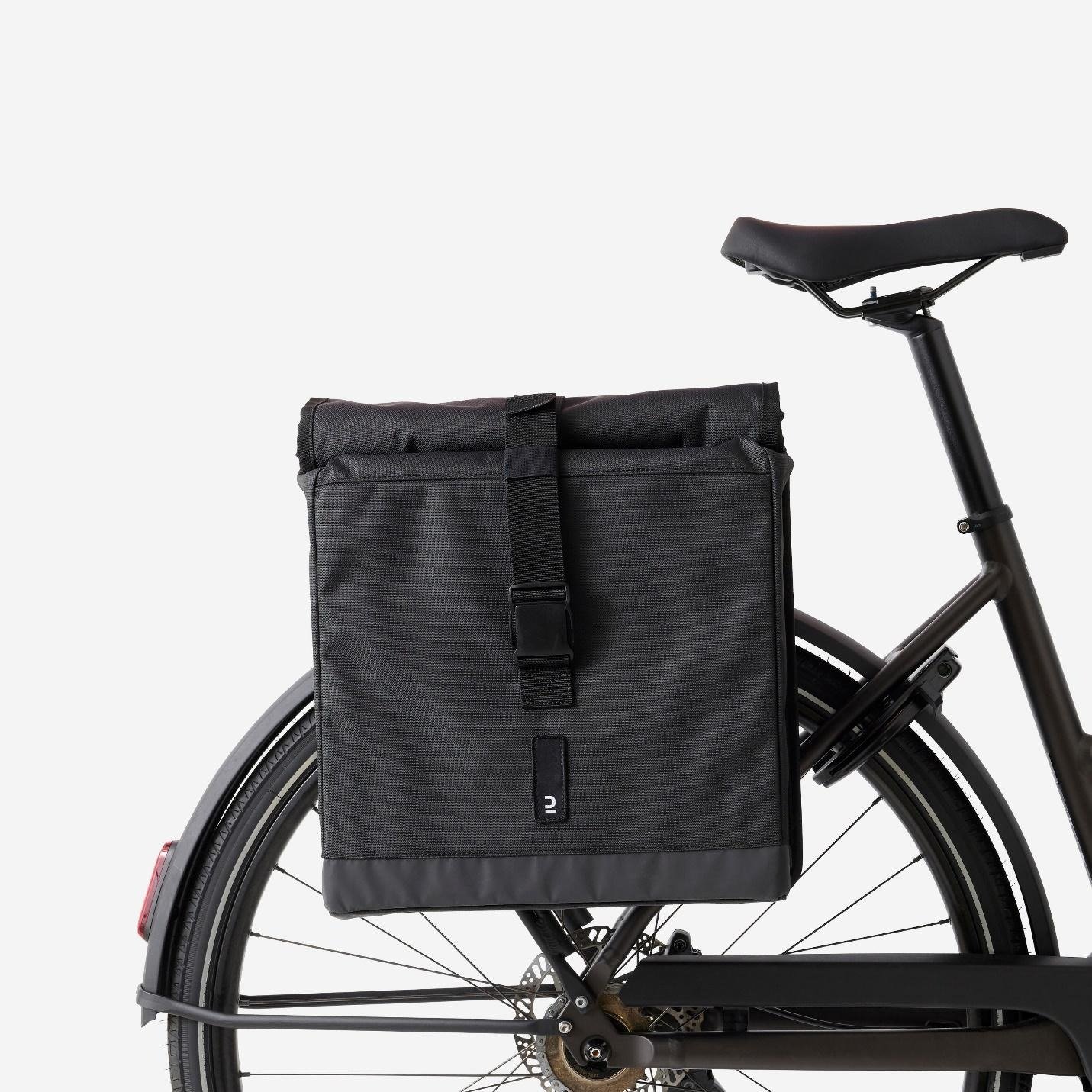
Long cycling trips across the UK can be an exciting adventure. From riding along the scenic Lake District to exploring coastal routes in Cornwall, it brings you a lot of joy and peace of mind. However, it also comes with some challenges, particularly arranging storage gear. Without proper storage gear, your belongings can get wet, disorganised, or hard to reach, making the trip stressful and uncomfortable.
Whether you’re commuting to work, exploring the outskirts of the city, or embarking on a weekend adventure, having reliable storage gear for your bike is crucial. It can transform your rides, keeping your items safe, organised, and accessible without affecting your comfort.
In this guide, we will discuss the key features to look for when selecting cycling storage gear to make your next ride smooth, safe, and stress-free.
Capacity and Size
One of the first things to consider is the capacity of your storage gear. Depending on your cycling habits, you might need space for just a few small essentials or enough room for a full day’s supplies. For example, a bike pannier is ideal for carrying heavier loads like groceries, gym clothes, or work supplies.
Look for storage gear that balances capacity with your bike’s stability. Too large bags can affect handling, while too small bags are unable to hold what you need. So, carefully consider your daily requirements, the length of your rides, and whether you might need to expand in the future.
Weight of the Gear
Storage gear that is too heavy can make your cycling uncomfortable and affect your balance. So, always prefer something light but sturdy enough to protect your items. Materials like waterproof nylon or lightweight polyester are excellent choices, as they provide strength without unnecessary bulk.
You can also consider how often you will carry your storage bag off the bike as well, since lighter options are easier to carry when walking or commuting. Additionally, a lightweight design also ensures you won’t tire quickly and allows you to ride more efficiently, especially on longer journeys across urban streets or hilly terrain.
Water Resistance and Weather Protection
The UK’s climate can change quickly, and unexpected showers or splashes from puddles are common. Your storage gear should be water-resistant or waterproof to keep items dry. Look for fabrics treated with waterproof coatings and bags with sealed zippers or flaps.
Some panniers and racks also come with rain covers that can be quickly deployed, offering extra protection during sudden downpours. A fully waterproof design keeps your electronics and documents safe and also prevents clothes and food from getting damp.
Ease of Access
When you’re riding, easy access to your items can save time and reduce frustration. Features like multiple compartments, side pockets, and quick-release zippers allow you to reach essentials without stopping for long periods. For example, a bag with a top flap can let you grab your wallet, phone, or water bottle in seconds.
Accessibility is especially important on long rides or during commutes, as you don’t want to constantly shift the bag or dismount just to get something small. Efficient design helps you stay organised, keeps your ride smooth, and reduces stress when you need things quickly.
Attachment System
The way your gear attaches to the bike affects stability and ease of use. Panniers often use hooks, clips, or straps to secure to a rack, while handlebar bags may rely on brackets or Velcro straps. A secure attachment system ensures the bag won’t shift or fall, even on bumpy roads.
Adjustable mounts or quick-release systems are convenient. Make sure the system is compatible with your bike’s frame and racks. It keeps your load stable and prevents accidents caused by swinging bags.
Durability and Material Quality
Your cycling storage gear should withstand daily use and exposure to the elements. Materials like heavy-duty polyester, ballistic nylon, or reinforced PVC provide long-lasting performance. Check the stitching, zippers, and overall construction to ensure they won’t fray or break after a few months.
Durable gear handles the pressure of heavier loads, rough roads, and frequent mounting and dismounting. Investing in quality materials may cost slightly more initially, but it saves money in the long term because you won’t need to replace gear frequently.
Multipurpose Use
The last feature to consider is whether the bag can serve multiple functions. For example, a bicycle handlebar bag isn’t just for carrying small items, but can also hold your phone, wallet, snacks, or even a small camera for rides in scenic areas.
Multipurpose bags maximise value by combining storage with convenience. Features like detachable compartments, waterproof liners, and adjustable straps allow you to use the bag both on and off the bike. It reduces the need for multiple bags, keeps your ride clutter-free, and adapts to different types of trips.
Key Takeaway
Choosing the right cycling storage gear involves more than just picking a bag that looks good. You need to consider capacity, weight, weather protection, and versatility. Each feature plays a role in making your ride smoother, safer, and more enjoyable.
