


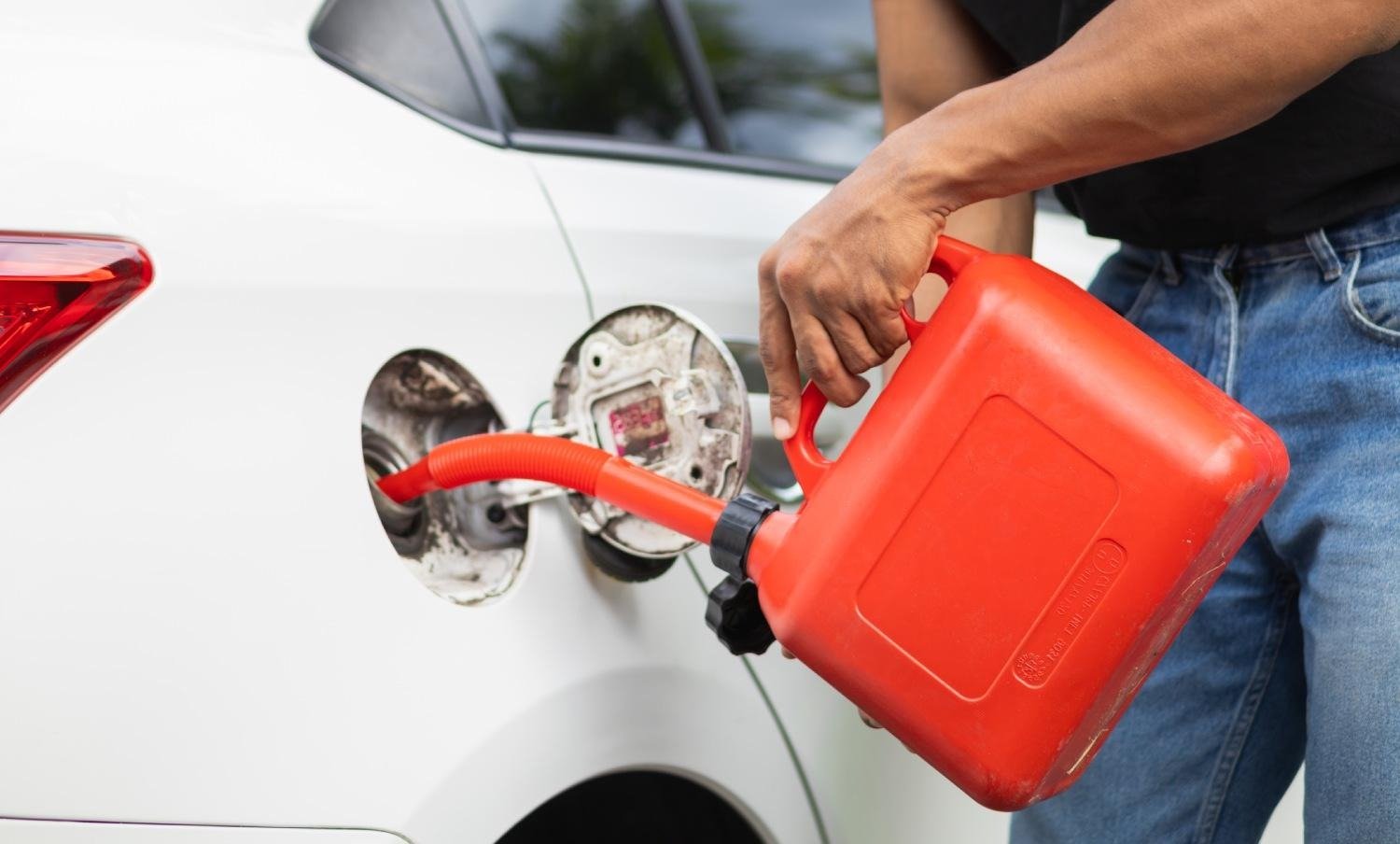
Fuel is the blood of any industry or production unit. It keeps everything moving, including the heavy delivery trucks and the massive generators. However, fuel is also one of the highest costs you will face every month. If you do not manage it well, you will reduce your profitability.
Fuel management is the process of watching how you buy, store, and use every drop of diesel or petrol. The main goal is to save money and make sure your machines never stop working. You need to make certain arrangements upfront to manage everything efficiently. Let’s explore what you need to arrange.
Key Things to Arrange for Efficient Industrial Fuel Management
Emergency Fuel Delivery
You should start by arranging a solid contract for emergency fuel delivery. If your tanks run dry, your entire production line stops. As a result, you will lose money every minute. When you have an emergency fuel delivery agreement with a reliable supplier, you can reduce the risk of shortages in different situations.
The supplier will bring fuel to your site even during a crisis. It gives you peace of mind because you know that your machines will stay active regardless of what happens in the outside world.
On-Site Storage Infrastructure
The next thing you need to arrange is where you keep your fuel. You should arrange for high-quality, on-site storage tanks. It is best to use double-walled tanks because they offer an extra layer of safety. These tanks don’t leak easily, which protects the ground around your factory from pollution.
They also help stop evaporation. When fuel sits in the sun, it can slowly turn into gas and disappear into the air. By using the right infrastructure, you can keep your fuel safe and clean.
Automated Tank Gauging (ATG)
You must know exactly how much fuel you have to manage it efficiently. You should install automated tank gauging systems. These are digital sensors that sit inside your tanks and send live data to your computer or phone. In the past, industrial teams used long wooden sticks to measure fuel. However, it is often inaccurate.
These new sensors tell you the exact level and even warn you if there is water at the bottom of the tank. Water can ruin your engines. Therefore, when you know the tank is contaminated with water, you can fix the problem before any damage happens.
Fuel Management Software
Once you have the data from your tanks, you need a way to read it easily. You should arrange for fuel management software. It tracks when fuel arrives and exactly which vehicle or machine uses it. If some fuel goes missing or if a truck is using much more than it should, the software will inform you about it.
It helps you find fuel theft or leaks very quickly. Having all this information in one place makes your monthly reports much easier to finish.
Restricted Dispensing Systems
You cannot just let anyone fill up their vehicle whenever they want. You should arrange for a restricted dispensing system. It usually involves using special electronic tags or PIN codes for your drivers. When a driver wants fuel, they must tap their tag or enter a code at the pump. The system then records who took the fuel, which truck they were driving, and the exact time.
It stops people from taking fuel for their personal cars or wasting it. It creates a sense of responsibility among your staff because they know every litre is being recorded.
Waste Oil Collection
After your machines have used the fuel and oil, you are left with waste. You must arrange for a professional waste oil collection service. You cannot just pour old oil down the drain or throw it in the bin. It is illegal and bad for the environment. When you arrange collection, a licensed recycling company will come to your site and take the old oil away.
They often clean it and turn it into new products. It keeps your site clean and ensures you are following the law. It is a key part of being a modern, responsible, and efficient industrial business owner.
Proactive Maintenance Schedules
Efficient fuel management is not just about the fuel itself but also about the machines that use it. You should arrange regular maintenance for all your engines and generators. If a fuel filter is clogged or an injector is dirty, the engine has to work harder and will burn more fuel than necessary. By cleaning and replacing these parts on a strict schedule, you ensure that your equipment stays in top shape.
Managing fuel efficiently involves being prepared and staying in control of your data. By making the aforementioned arrangement, you protect your budget, help the environment, and ensure your industry never stops working.
