







Hampstead Theatre is a well-known London venue with a strong reputation for presenting new writing, contemporary drama and original theatrical productions. Located in Swiss Cottage, North London, the theatre has played an important role in supporting emerging writers, directors and performers. Since its beginnings in 1959, it has developed into a respected destination for audiences looking for thoughtful and engaging stage performances. The venue includes a main auditorium and Hampstead Downstairs, which provides a more intimate setting for developing new plays and creative ideas. With its convenient location, varied programme and focus on fresh theatrical voices, Hampstead’s Theatre offers an interesting experience for both regular theatre-goers and visitors exploring London’s cultural scene.
Hampstead Theatre History and Its Importance
The Hampstead Theatre history began in 1959, when director James Roose-Evans founded the Hampstead’s Theatre Club at Moreland Hall in Hampstead Village. From the beginning, the organisation concentrated on modern drama and original writing rather than depending entirely on established classics. Harold Pinter became associated with its early years, with productions including The Room and The Dumb Waiter. In 1962, the organisation moved to Swiss Cottage, beginning a long relationship with the area. The present purpose-built building opened in 2003, providing a modern environment in which productions could be staged on a larger scale while retaining the organisation’s interest in developing new work.
Over the years, the theatre has been associated with writers including Mike Leigh, Michael Frayn, Brian Friel, Hanif Kureishi, David Hare, Abi Morgan and Rona Munro. Its stages have also featured prominent performers such as Jude Law, Alan Rickman, John Hurt, Rowan Atkinson, John Malkovich and Zoe Wanamaker. This history is important because it explains why the venue has such a strong reputation for discovering and developing talent. Rather than simply being a place where finished productions are presented, it has traditionally been part of the creative process. That legacy continues to influence the type of work audiences can expect today.
Hampstead Theatre Tickets and Shows
When looking for Hampstead Theatre tickets, visitors should first choose the production and performance date because prices and availability can vary. Popular productions may sell quickly, especially when they feature recognised actors or have a short performance run. Booking in advance can therefore provide more choice, particularly for visitors who want a specific date or preferred seating position. It is also sensible to read the production description carefully. The programme is not restricted to one genre, and audiences can encounter contemporary drama, comedy, musicals, adaptations, revivals and experimental new writing.
The Hampstead’s Theatre shows programme changes throughout the year, which is one of the venue’s attractions. The Main Stage is suitable for larger productions, while Hampstead Downstairs offers a much smaller and more intimate environment. The difference between the two spaces can significantly influence the atmosphere of a performance. Someone who enjoys large-scale staging may prefer the Main Stage, while an audience member interested in emerging writers may appreciate the close relationship between performers and spectators in Downstairs. If you are searching specifically for Indian Ink Hampstead’s Theatre tickets, it is important to check current listings rather than relying on old reviews or archived pages, because theatre productions have defined performance periods.
Seating Plan, Photos and What to Expect
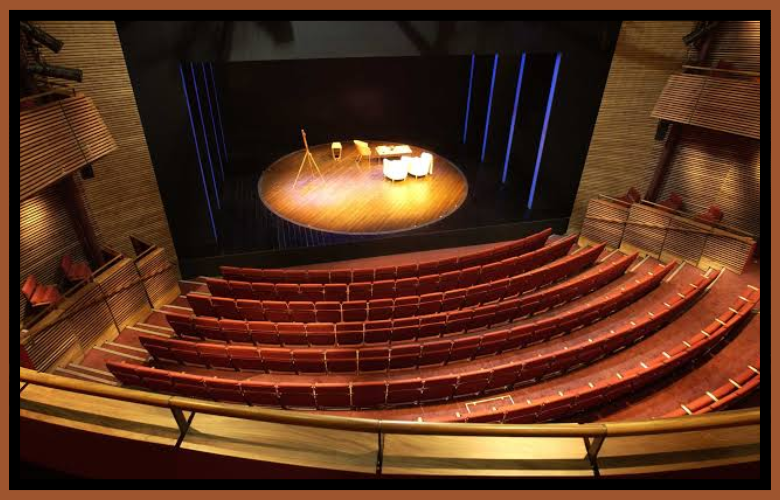
The Hampstead Theatre seating plan is an important consideration when booking because the Main Stage has a flexible configuration. Unlike some theatres where the auditorium layout remains exactly the same for every production, the space can be adapted to meet the creative requirements of a show. This can change the position of the stage and the relationship between performers and audience. Visitors who care about sightlines or being close to the action should therefore check the seating information for the particular production they intend to see. The best seat is not necessarily identical for every performance, making production-specific information particularly useful.
Searching for Hampstead’s Theatre photos can also help first-time visitors understand the building before arriving. Images of the exterior and auditorium provide a useful impression of the venue, although photographs may not show how a particular production has rearranged the stage. Downstairs is especially distinctive because it is an intimate studio space with approximately 80 seats. The smaller capacity can create a more immediate theatrical experience, with performers much closer to the audience. The venue is also easy to reach, with Swiss Cottage Underground Station on the Jubilee line located very close by. Finchley Road and South Hampstead stations provide alternative options for visitors travelling by public transport.
Indian Ink, Bird Grove and Production-Related Searches
Tom Stoppard’s Indian Ink is an interesting title for audiences researching the venue because it explores relationships between Britain and India through themes of art, memory, culture and colonial history. The play moves between different periods and perspectives, allowing audiences to consider how personal memories can intersect with wider historical events. Its sophisticated dialogue and layered themes make it particularly appealing to people who enjoy serious, literary drama. Searches for Indian Ink Hampstead Theatre tickets may bring up information about previous performances, reviews or production archives. Visitors should therefore confirm the date of any performance before assuming that tickets are currently available.
The phrase Hampstead’s Theatre Bird Grove can similarly lead to production-related information, names or archived material. When researching an unfamiliar theatre term, it is important to establish whether it refers to a current production, past production, performer or another aspect of the theatre. Search engines can continue displaying pages for productions years after their runs have ended. This can make older information appear current when it is not. For anyone travelling specifically to see a production, checking the official programme and performance details is the safest approach. This simple step can prevent confusion and ensures that travel plans are based on current information rather than historical listings.
The wider programme is particularly valuable for audiences who enjoy discovering new talent. A production may introduce a writer who later becomes much more widely known, or feature an established performer in a completely different role. Students and aspiring playwrights can also benefit from seeing how contemporary scripts work when transferred from the page to a professional stage. This combination of discovery and professional production is one of the venue’s strongest characteristics.
Benefits, Pros and Cons of Visiting
There are several reasons audiences choose this North London venue. Its greatest benefit is the opportunity to see contemporary theatre in a setting with a significant history of supporting writers. The location is also convenient, especially for people using London’s Underground network. Swiss Cottage is on the Jubilee line, while other nearby stations and bus routes provide additional travel options. The two performance spaces create further choice, allowing visitors to select between a larger production and an intimate studio experience. For people who want to explore London culture beyond the most heavily visited tourist attractions, an evening performance can provide a more distinctive experience.
- Pros: Strong reputation for new writing, significant theatrical history, convenient transport, flexible Main Stage, intimate Downstairs space, varied programming and selected accessible performances.
- Cons: Some productions may be experimental, Downstairs has limited seating, parking can be inconvenient and popular performances may have limited ticket availability.
- Best for: Theatre enthusiasts, drama students, London visitors, aspiring writers and audiences who enjoy contemporary storytelling.
- Planning tip: Check the production, date, auditorium, seating arrangement and accessibility information before booking.
Another advantage is the ability to combine a performance with other activities around Swiss Cottage and nearby North London areas. Visitors can have dinner before the show or explore the surrounding neighbourhood afterwards. However, the variety of programming also means that not every production will appeal to every visitor. Someone expecting a traditional West End blockbuster should read the show description carefully before booking. The venue’s greatest strength is its artistic variety, but that variety makes personal research important.
(FAQs)
What is Hampstead Theatre known for?
It is known for new writing, contemporary drama and productions that support emerging playwrights, directors and performers.
Where is the theatre located?
The venue is situated on Eton Avenue in Swiss Cottage, North London, close to Swiss Cottage Underground Station.
How can I get to the theatre?
Swiss Cottage Underground Station is the most convenient option, while several London bus routes also serve the surrounding area.
What types of plays are performed there?
The programme includes contemporary drama, new plays, adaptations and productions from established and emerging writers.
Does Hampstead Theatre have more than one performance space?
Yes. It has a main auditorium and Hampstead Downstairs, a smaller space for intimate productions and developing new work.
Conclusion
The Hampstead Theatre still plays an integral role in the theatre life of London as it offers opportunities to see something interesting, innovative, exciting and contemporary. The fact that this theatre has a rich history of discovering talents and supporting innovative ideas has made the theatre an established one in the British theatre scene. The theatre is situated in the area of Swiss Cottage and thus can be easily reached by all means of transport from everywhere in London. If you like provocative drama, new plays and contemporary theatre productions, the theatre will satisfy your taste.


