









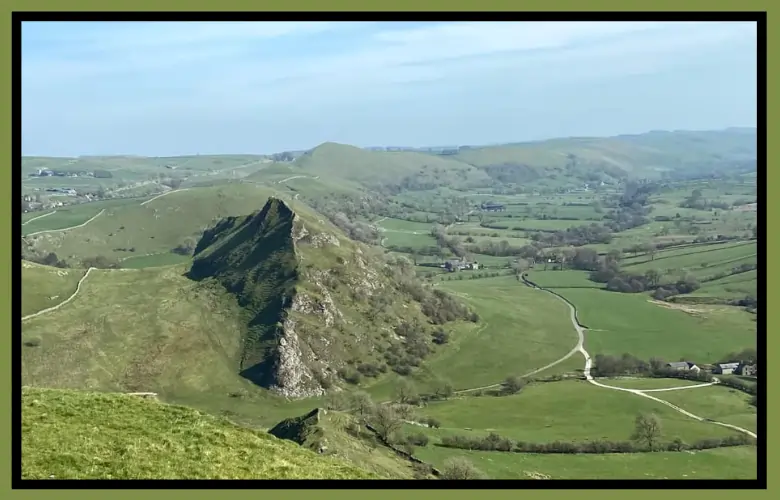
The Dragon’s Back is certainly one of the most impressive examples of natural scenery in the Peak District National Park, situated in the area of the White Peak in England. Renowned for its spectacular rock formation and scenic country vistas, this famous hiking route is always enjoyed by nature enthusiasts from all walks of life. In fact, the dragon’s back ridge consists of two rocks called the Chrome Hill and the Parkhouse Hill, resulting in an extraordinary appearance resembling the back of a giant dragon.
Discovering the Famous Limestone Ridge
The landscape commonly known as the Dragon’s Back is formed by two impressive limestone hills called Chrome Hill and Parkhouse Hill. These natural formations create a striking profile that resembles the spine of a dragon stretching across the countryside. Their steep slopes and rugged appearance stand in contrast to the surrounding rolling hills, making them instantly recognizable from a distance.
Visitors are often surprised by how dramatic the terrain appears when viewed up close. Narrow ridgelines, rocky outcrops, and sweeping valleys create a sense of adventure rarely found on shorter countryside walks. The unique shape of the hills has helped establish the area as one of the most photographed locations in the national park.
Highlights of the Area
- Dramatic limestone formations
- Stunning countryside scenery
- Exceptional viewpoints
- Popular photography opportunities
- Rich geological heritage
- Accessible walking routes
The Geological History of Chrome Hill and Parkhouse Hill
Millions of years ago, the region was covered by a warm tropical sea. During this time, marine organisms accumulated on the seabed and gradually formed extensive limestone deposits. Over countless centuries, geological activity transformed these deposits into ancient reef structures.
As erosion removed softer surrounding rock, the harder limestone formations remained exposed. This process eventually created the dramatic hills that visitors see today. The distinctive ridges provide valuable evidence of the area’s ancient environment and reveal a fascinating chapter in the geological history of Britain.
The landscape is often studied by geologists because it offers a clear example of reef knoll formations. These features help explain how natural processes have shaped the countryside over hundreds of millions of years. Walking through the area provides a unique opportunity to experience this remarkable history firsthand.
Why This Ridge Walk Is So Popular
One of the biggest reasons for the area’s popularity is its ability to deliver dramatic scenery within a relatively short distance. Visitors do not need to spend an entire day hiking to enjoy incredible views and memorable landscapes. The route offers a perfect balance of accessibility and adventure.
Photographers are particularly attracted to the location because the scenery changes dramatically throughout the day. Sunrise often bathes the hills in golden light, while sunset creates long shadows and vibrant colors across the valleys. Seasonal changes bring additional variety, ensuring that no two visits feel exactly the same.
The route also appeals to hikers seeking a moderate challenge. Steep ascents and narrow ridge sections create excitement without requiring advanced mountaineering skills. This combination of scenery and adventure continues to attract visitors from across the country.
Walking Routes and Trail Information
Several walking routes allow visitors to explore Chrome Hill and Parkhouse Hill. The most popular option is a circular trail that combines both hills into a single rewarding journey. This route showcases the best viewpoints while providing opportunities to appreciate the area’s natural beauty from different angles.
Many walkers begin their journey from nearby villages and follow established footpaths toward the hills. The route gradually becomes steeper as it approaches the ridge, eventually leading to elevated viewpoints overlooking the surrounding countryside. Clear weather conditions often provide visibility across vast sections of the White Peak landscape.
Walking Route Statistics
| Feature | Details |
| Distance | 6–8 km |
| Duration | 2–4 hours |
| Difficulty | Moderate |
| Terrain | Limestone ridge and grassland |
| Highest Point | Approximately 425m |
| Suitable For | Most walkers with reasonable fitness |
Scenic Views and Photography Opportunities
Few locations within the national park offer viewpoints as impressive as those found along this famous ridge. The elevated position allows visitors to enjoy sweeping panoramas of farmland, valleys, and distant hills. Every section of the route reveals a new perspective of the surrounding landscape.
Photography enthusiasts frequently visit during early morning hours when mist settles in the valleys below. These conditions create dramatic scenes that highlight the contours of the hills. Sunset is equally popular because warm light enhances the textures and colors of the limestone formations.
Best Photography Subjects
- Chrome Hill summit views
- Parkhouse Hill ridgeline
- Sunrise over the White Peak
- Rolling countryside panoramas
- Seasonal wildflowers
- Mist-filled valleys
Wildlife and Natural Habitats
The surrounding countryside supports a diverse range of wildlife and plant species. Limestone grasslands provide habitats for numerous wildflowers, insects, and birds. During spring and summer, colorful blooms transform parts of the landscape and attract pollinators from across the region.
Birdwatchers may spot kestrels, buzzards, and other birds of prey soaring above the hills. Smaller species inhabit hedgerows and grasslands throughout the area. The combination of wildlife and scenic beauty adds another layer of interest to every visit.
The region’s natural habitats play an important role in supporting biodiversity. Conservation efforts help preserve these ecosystems while ensuring that future generations can continue to enjoy the landscape.
Wildlife Highlights
- Kestrels
- Buzzards
- Butterflies
- Wild orchids
- Bumblebees
- Meadow birds
Best Time of Year to Visit
Every season offers unique advantages for visitors. Spring brings fresh greenery, blooming wildflowers, and comfortable temperatures for walking. Summer provides long daylight hours and generally favorable weather conditions, making it ideal for extended exploration.
Autumn transforms the countryside with shades of gold, orange, and red. Cooler temperatures create excellent hiking conditions while enhancing photography opportunities. Winter delivers dramatic scenery and occasional snow-covered hills, though visitors should exercise additional caution during icy conditions.
Seasonal Benefits
- Spring: Wildflowers and vibrant landscapes
- Summer: Long days and clear views
- Autumn: Spectacular seasonal colors
- Winter: Atmospheric photography opportunities
Essential Tips for Visitors
Preparation is important when exploring the area. Weather conditions can change quickly, especially on exposed ridges. Wearing appropriate clothing and footwear can greatly improve safety and comfort during the walk.
Recommended Equipment
- Walking boots with good grip
- Waterproof jacket
- Drinking water
- Trail map
- Mobile phone
- Camera
- Energy snacks
Visitors should remain on marked paths and respect local farmland throughout their journey. Following countryside guidelines helps protect both wildlife and the landscape.
Nearby Attractions Worth Exploring
After completing the walk, visitors can explore several nearby attractions that showcase additional aspects of the Peak District. Traditional villages offer welcoming pubs, local shops, and opportunities to experience rural life. Nearby valleys and hills provide alternative walking routes for those seeking further adventure.
Places to Visit Nearby
- Longnor Village
- Dove Valley
- Manifold Valley
- High Wheeldon
- Peak District visitor centers
These destinations complement the hiking experience and can easily be incorporated into a full day of exploration.
(FAQs)
1. Where is the Dragon’s Back in the Peak District located?
It is located in the White Peak area of the Peak District National Park, near the villages of Hollinsclough and Longnor in Derbyshire, England.
2. How long is the Dragon’s Back walk?
The circular walking route is usually around 6–8 km and takes approximately 2 to 4 hours depending on pace and stops for photography.
3. Is the Dragon’s Back walk difficult?
It is considered a moderate walk. Some sections are steep and uneven, especially on Chrome Hill and Parkhouse Hill, so proper footwear is recommended.
4. What makes the Dragon’s Back Peak District special?
Its unique dragon-shaped limestone ridge, formed by Chrome Hill and Parkhouse Hill, creates one of the most dramatic and photographed landscapes in the region.
5. When is the best time to visit?
Spring, summer, and autumn are ideal. These seasons offer better weather, clearer views, and beautiful scenery, especially during sunrise or sunset.
Conclusion
Walking on The Dragon’s Back in Peak District is truly an amazing experience which blends natural beauty, geology, and adventure into one unforgettable outing. With its limestone formations of Chrome Hill and rocky features of Parkhouse Hill, this walkway has so much in store for visitors. It offers picturesque countryside views, wildlife in abundance, and constantly changing views year-round. Being a short walk, it also offers an adventurous feel with the accomplishment that comes from exploring a great landscape. Visiting this walkway will make for wonderful photography, hikes, or just some quality time spent outside in nature.


