








The Arthur’s Seat Fire: What You Need to Know The Arthur’s Seat is one of the most popular natural landmarks in Edinburgh. It is known not only because of its magnificent views but also thanks to its volcanic history and walking tracks. Nevertheless, the recent Arthur Seat fire showed how important it is to protect such an iconic landmark from wildfires. It was associated with some areas of the Holyrood Park where the natural vegetation suffered because of the fire. The causes of the wildfire, the consequences that it had on the environment, and the efforts of recovering the land after the disaster can help everyone to understand how significant it is to behave responsibly outdoors.
Understanding Arthur’s Seat
Arthur’s Seat is an extinct volcano located in Holyrood Park, just minutes from Edinburgh’s historic city centre. Rising around 251 metres above sea level, it offers panoramic views across the Scottish capital and beyond. The hill is managed as part of a protected landscape that includes grasslands, rocky cliffs, wetlands, and rare plant habitats.
Every year, walkers, photographers, runners, and tourists visit Arthur’s Seat to experience its natural beauty. The area is also home to various birds, insects, and native wildlife, making conservation a priority. Because large sections are covered with dry grass and gorse, the landscape can become vulnerable during prolonged periods of warm, dry weather. These natural conditions explain why wildfire prevention has become increasingly important for protecting this iconic destination.
What Was Arthur’s Seat Fire?
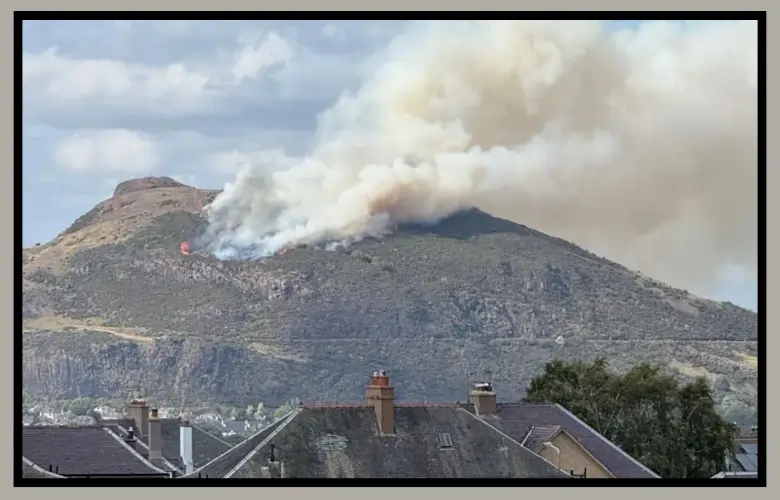
The Arthur’s Seat fire refers to a significant wildfire that spread across parts of Holyrood Park, burning dry vegetation and creating thick smoke visible across Edinburgh. Emergency services quickly responded by deploying multiple fire crews to prevent the flames from spreading further across the hillside.
Although firefighters successfully contained the blaze, the incident damaged vegetation, temporarily restricted public access, and raised awareness about wildfire risks within urban green spaces. Fortunately, there were no major injuries reported, but the fire demonstrated how quickly dry vegetation can ignite under the right conditions.
The event attracted widespread attention because Arthur’s Seat is one of Scotland’s best-known landmarks. The fire also encouraged discussions about responsible tourism, climate change, and the need for stronger wildfire prevention measures throughout the country.
Why Wildfires Occur at Arthur’s Seat
Several natural and human-related factors increase the risk of wildfire in this area. Dry vegetation acts as fuel, while strong winds can rapidly spread flames across open hillsides.
During warmer months, long periods without rainfall leave grass and gorse extremely dry. Even a small ignition source can quickly become a large fire when weather conditions are unfavourable. Human behaviour also plays a role, particularly when visitors fail to follow park safety guidance.
Potential wildfire causes include:
- Discarded cigarette ends
- Disposable barbecues
- Campfires
- Broken glass reflecting sunlight
- Deliberate fire-setting
- Extremely dry weather
- Strong winds
- Poor visitor awareness
Reducing these risks requires both public cooperation and effective land management throughout Holyrood Park.
The Environmental Impact of the Fire
Wildfires can dramatically affect natural habitats even when they are brought under control quickly. Vegetation that has taken years to establish may disappear within hours, leaving bare ground vulnerable to erosion and invasive plant species.
The Arthur’s Seat fire affected grasses and gorse that provide shelter for birds, insects, and small mammals. Smoke also reduced local air quality for a short period, while burnt soil temporarily lost some of its protective plant cover.
Nature, however, has remarkable resilience. Native plants often begin recovering within months, although complete restoration can take several years depending on rainfall, weather patterns, and ongoing conservation work. Careful monitoring helps ensure damaged ecosystems recover naturally without unnecessary human disturbance.
How Firefighters Responded
Emergency crews worked rapidly to control the wildfire using specialised equipment designed for difficult terrain. Fighting fires on steep hillsides presents unique challenges because vehicles cannot always reach affected areas directly.
Firefighters often carry hoses, beaters, water backpacks, and portable pumps across rough ground while carefully monitoring changing wind conditions. Their priority is protecting both people and the surrounding environment.
Cooperation betweenArthur’s Seat Fire: Causes, Impact, and Recovery emergency services, park authorities, and local police also helps maintain public safety by closing affected paths and keeping visitors away from dangerous areas. Their coordinated response prevented greater damage and demonstrated the importance of well-prepared emergency planning for popular outdoor destinations.
Why Holyrood Park Is Vulnerable
Holyrood Park combines natural beauty with heavy visitor numbers, creating unique management challenges throughout the year. Thousands of people walk its trails daily, especially during weekends and holidays.
The landscape contains extensive areas of dry grass, shrubs, and gorse that can ignite during prolonged dry spells. Climate change has increased the frequency of warmer conditions, extending wildfire seasons across many parts of the UK.
Unlike forests with wider firebreaks, open hillsides allow flames to spread quickly when strong winds develop. Rangers therefore focus on visitor education, vegetation management, and monitoring weather conditions to reduce wildfire risks before they become emergencies.
(FAQs)
What caused the Arthur’s Seat fire?
The exact cause has not been officially confirmed. Dry vegetation, hot weather, and possible human activity are believed to have contributed.
How much damage did the wildfire cause?
The blaze burned areas of grass and gorse, affected wildlife habitats, and resulted in temporary closures of several walking paths.
Is Arthur’s Seat open to visitors now?
Yes, the landmark is open after safety inspections and recovery work. Visitors should check for temporary restrictions before visiting.
Can wildfires happen again in Holyrood Park?
Yes, prolonged dry weather and strong winds can increase the risk. Responsible visitor behaviour helps reduce the chances of future incidents.
How can visitors help prevent wildfires?
Avoid lighting fires, dispose of rubbish properly, and never throw away cigarette ends. Report smoke or flames immediately to emergency services.
Conclusion
The fire at Arthur’s Seat was a great lesson in how swiftly the situation can become threatening to nature and wildlife. In spite of the fact that emergency forces did an admirable job in controlling the fire and preventing further losses, this case showed the necessity of careful attitude from visitors and the necessity of conservation and wildfire prevention measures. One should understand that Arthur’s Seat is a great attraction and sightseeing place for tourists and nature lovers and people who come here have to act carefully not to damage the place for future generations.


